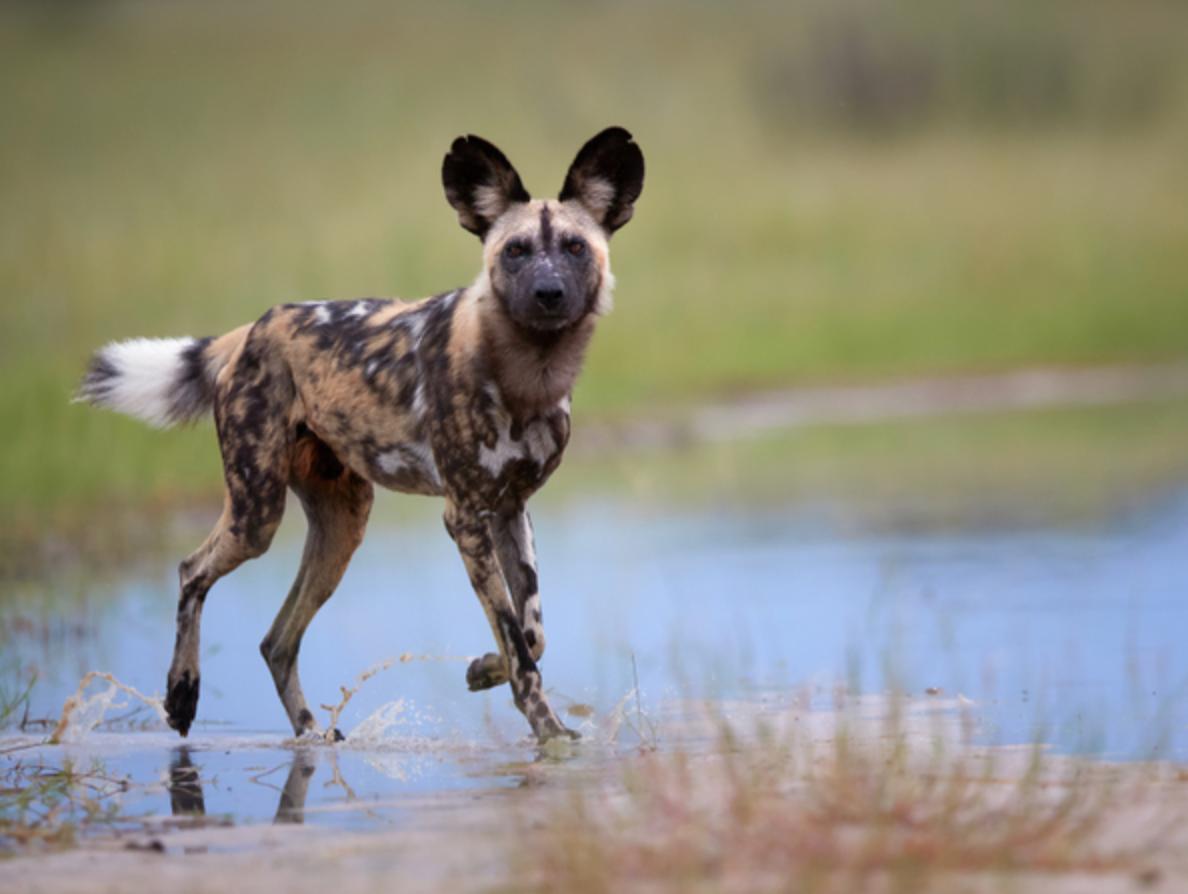
Mitigating Human-Wild Dog Conflict through Community Engagement in Katavi
This project, led by Mr. Geofrey Mugini with support from the Chicago Board of Trade Endangered Species Fund, aims to protect the Endangered African wild dog (Lycaon pictus) in communities surrounding Katavi National Park. Wild dogs in this landscape face deliberate killings following livestock attacks, habitat pressure and the risk of contracting rabies and canine distemper from domestic dogs. The project will train livestock keepers to construct predator-proof enclosures, support domestic dog vaccination campaigns and provide conservation education in villages and schools. It will also promote beekeeping as an alternative source of income, helping participating communities reduce their dependence on resources from the national park. Monitoring of livestock losses, domestic dog health and wild dog populations will be used to assess the effectiveness of these activities. By improving livestock protection, reducing disease transmission and addressing negative attitudes towards wild dogs, the project seeks to reduce retaliatory killings and promote long-term coexistence between local communities and African wild dogs in the Katavi landscape.
Find out more about this project →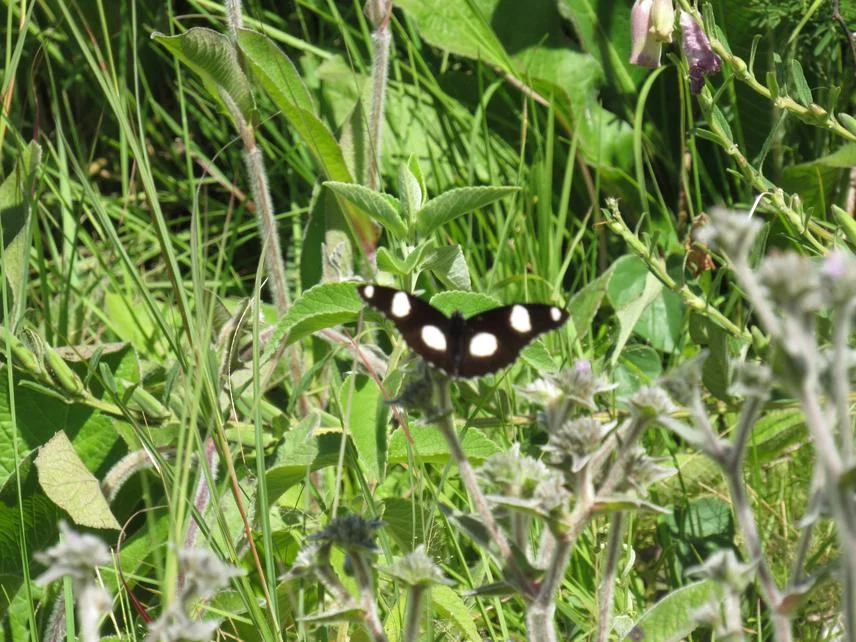
Saving Wild Pollinators from Local Extinction in Mbeya, Tanzania
This project was implemented by Hudson Laizer of Green Horizon Foundation with funding from The Rufford Foundation to conserve wild pollinators in the Mbeya Range Forest Reserve (MRFR), including solitary bees, butterflies, moths and pollinating bird species that are vital for healthy forests and thriving biodiversity. As pressures from deforestation and expanding agriculture grow, especially the widespread use of synthetic pesticides, many pollinators face rapid decline and possible local extinction. The project responded by raising public awareness and delivering conservation education on why pollinators matter and what practices threaten them. It also strengthened local action through pollinator clubs in schools, capacity building for village environmental committees and support for environmentally friendly income-generating activities that reduce reliance on MRFR resources. Working with local authorities, NGOs and conservation partners, the project promoted sustainable farming practices to help secure pollinator populations and protect the long-term health and productivity of the forest ecosystem.
Find out more about this project →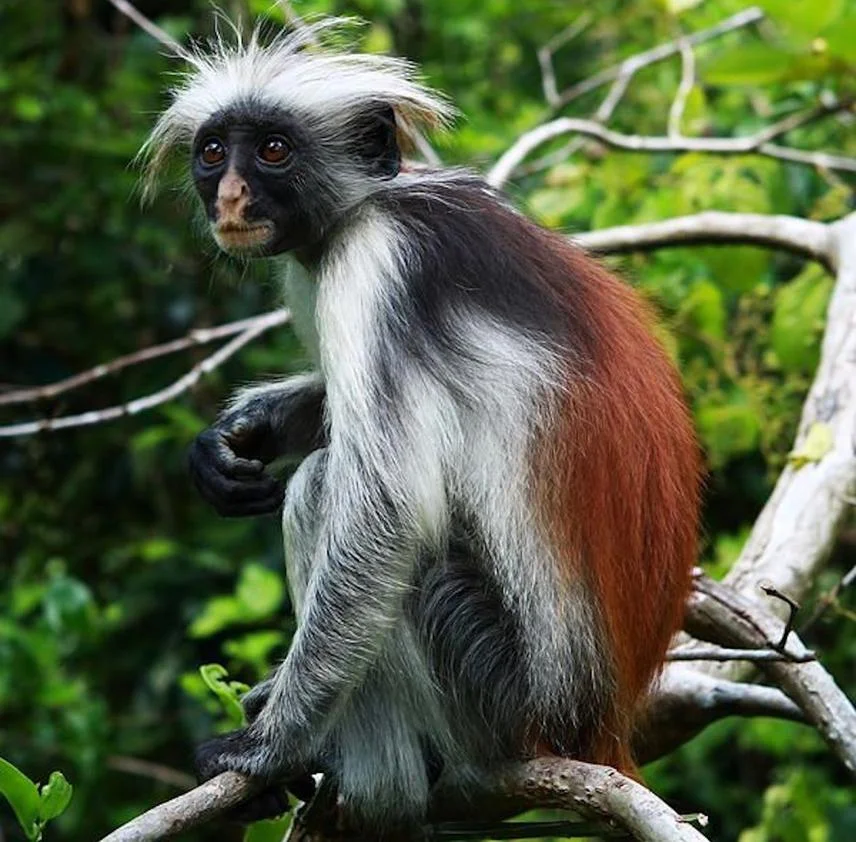
Promoting the Conservation of Zanzibar Red Colobus Monkey (Piliocolobus kirkii) in Zanzibar, Tanzania
This project was implemented by Filemon Elisante with funding from The Rufford Foundation to protect the endangered Zanzibar red colobus monkey (Piliocolobus kirkii) on Vundwe Island, Zanzibar, through conservation education and public awareness. The species is endemic to Zanzibar and lives in coral thicket forests that are often fragmented and largely outside protected areas, making it highly exposed to habitat loss from deforestation linked to shifting cultivation, pole cutting, firewood collection and charcoal making, alongside hunting for the pet trade and occasional poisoning linked to crop damage and local beliefs. The project set out to assess the current population status and the main threats to its survival, then use targeted outreach with communities around Vundwe Island to build understanding and support for protecting the monkey and its habitats.
Find out more about this project →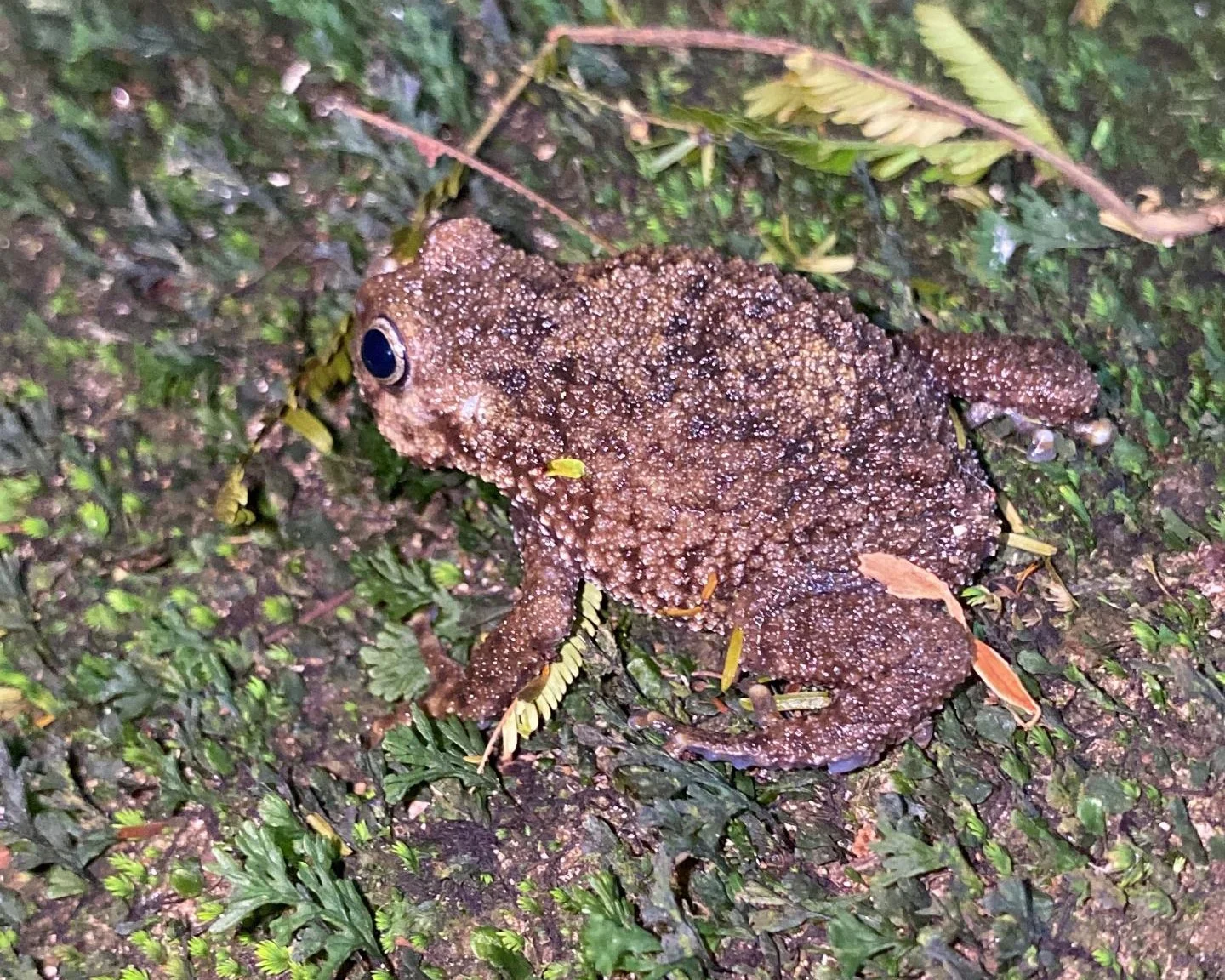
Promoting the Conservation of Critically Endangered Kanga Warty Frog in Kanga Forest Reserve, Tanzania
This project was implemented by Enoka Munduka with funding from The Rufford Foundation to support the conservation of the Critically Endangered Kanga Warty Frog (Callulina kanga) in and around Kanga Forest Reserve, Tanzania, through conservation education and public awareness. The frog is arboreal and depends on intact forest habitat, yet there is limited information on its current population size, distribution, habitat needs and the main pressures affecting its survival. The project addressed these gaps by assessing the species’ population, distribution and habitat characteristics, engaging nearby communities to build understanding and support for frog conservation and developing a practical conservation and management plan to guide long-term protection.
Find out more about this project →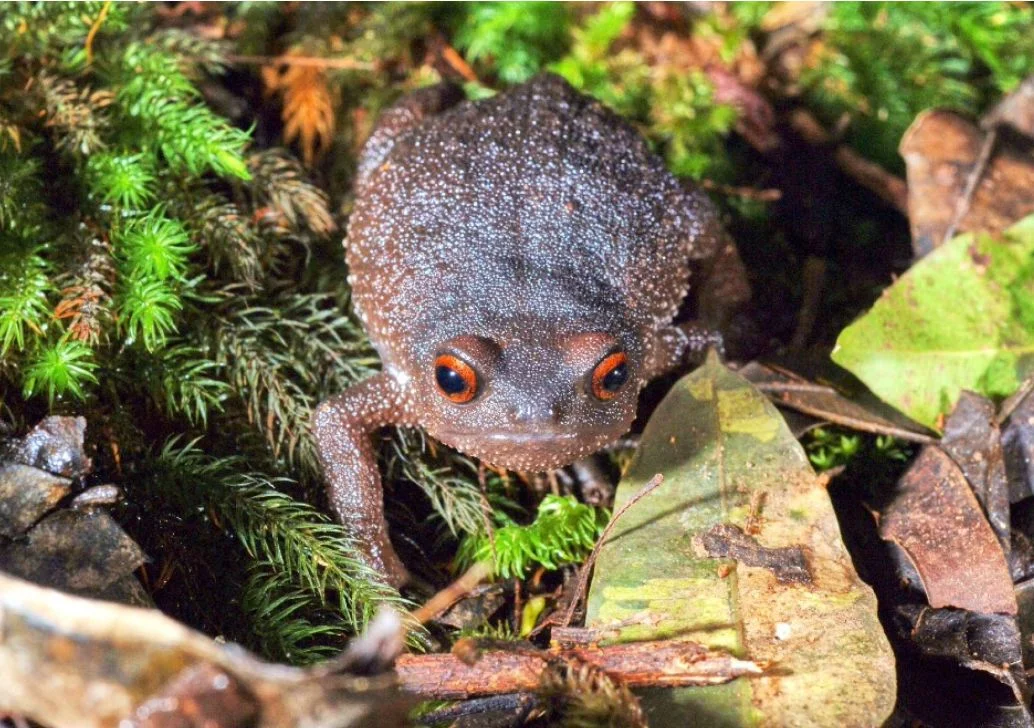
Promoting the Conservation of Critically Endangered Callulina laphami in Kindoroko and Minja Forest Reserves, Tanzania
This project was implemented by Geofrey Mugini with funding from The Rufford Foundation to promote the conservation of the Critically Endangered Callulina laphami, a frog endemic to the Kindoroko and Minja Forest Reserves in Tanzania’s North Pare Mountains. It responds to serious habitat loss and forest degradation driven by human activities such as agriculture, logging and settlement expansion, alongside low public awareness of the species and its ecological importance. The project focuses on field assessments to determine the frog’s current population size, distribution and habitat conditions, evaluates the extent of forest degradation and key threats, delivers community conservation education through outreach activities and materials, then develops a practical conservation and management plan that combines scientific findings with community-led actions and sustainable land-use practices to support the species’ long-term survival.
Find out more about this project →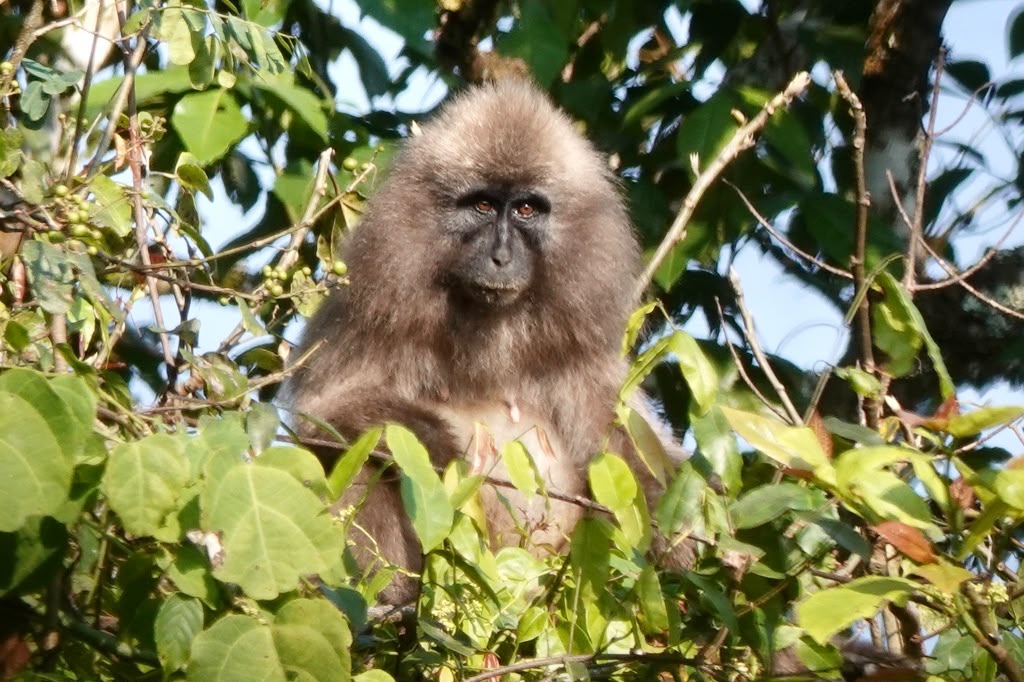
Reducing Extinction Risk of Critically Endangered Rungwecebus kipunji in Mount Rungwe Nature Forest Reserve, Tanzania
This project was implemented by Fredrick Ojija with funding from The Rufford Foundation to reduce the extinction risk of the Critically Endangered kipunji (Rungwecebus kipunji) in Mount Rungwe Nature Forest Reserve, Tanzania. In response to habitat deterioration that threatens the species’ survival, the project focused on assessing extinction risk and kipunji population status, raising conservation awareness with local communities and identifying priority areas and actions needed to strengthen long-term protection of the species and its habitat.
Find out more about this project →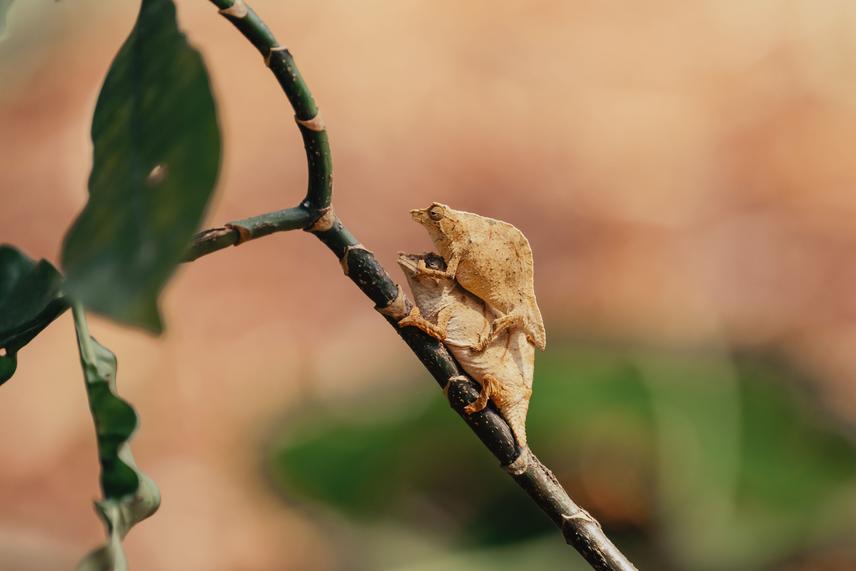
Scaling Up Conservation Efforts to Protect the Three Sisters Pygmy Chameleons and Their Habitats in the South Nguru Mountains, Tanzania
This project was implemented by Eva Johnson Ayaro with funding from The Rufford Foundation to scale up protection of the “Three Sisters” pygmy chameleons (Rhampholeon acuminatus, Rhampholeon princeeai and Rhampholeon waynelotteri) that are endemic to Tanzania’s South Nguru Mountains and depend on specialised microhabitats in the Mkingu and Kanga Forest Reserves. Building on an earlier phase, the project expands ecological studies and threat assessments by estimating population sizes, describing habitat needs, modelling habitats and mapping forest disturbance, while also examining possible illegal trade through interviews and stakeholder engagement. A major focus is community-based outreach through conservation education for local communities and schools using workshops, field learning and locally adapted materials, alongside training for early-career Tanzanian conservationists. The project will generate ecological and socio-economic evidence to support conservation status reassessments and stronger protection measures for these species and their forest habitats.
Find out more about this project →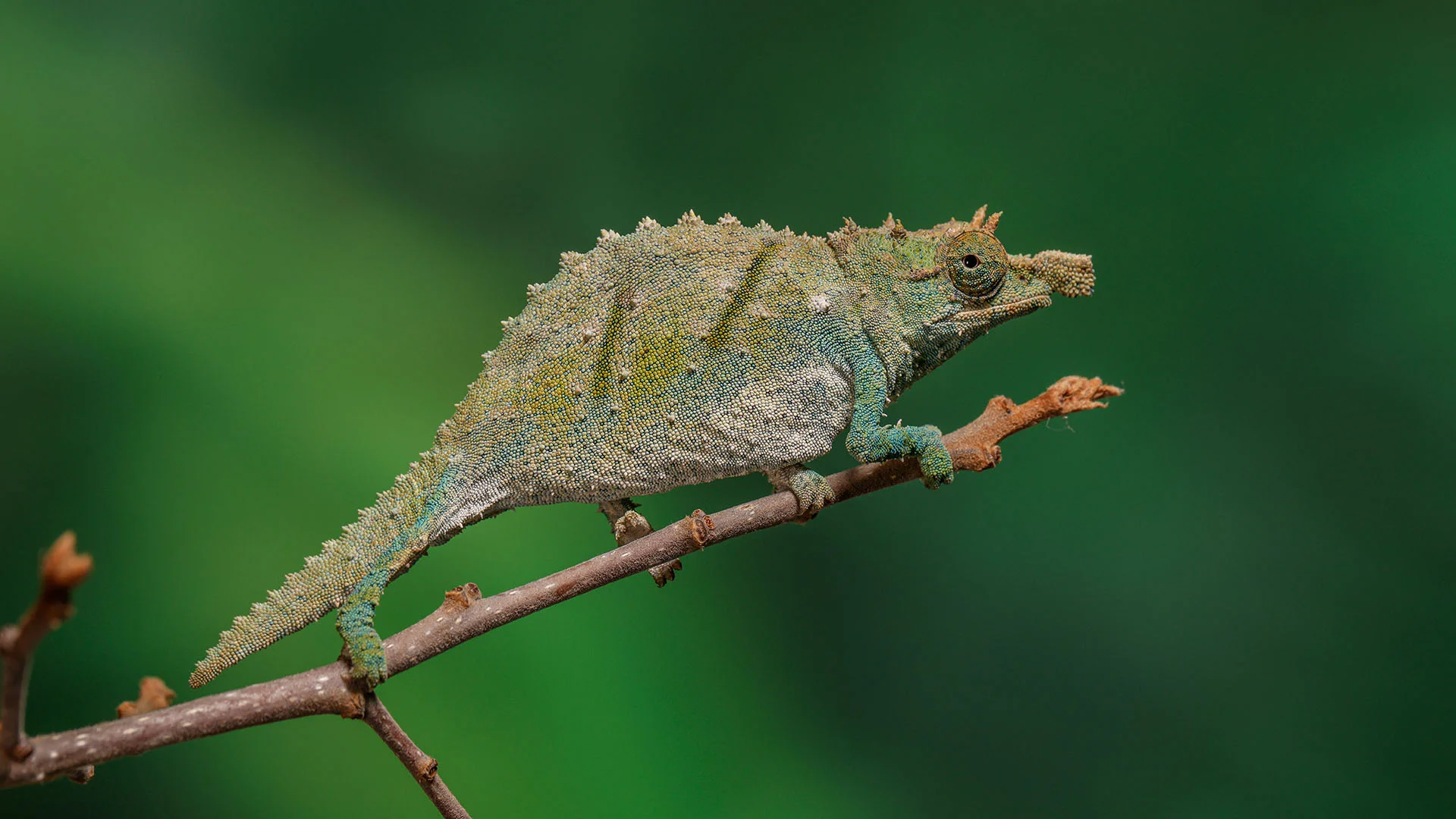
Befriending the Critically Endangered Nguru Spiny Pygmy Chameleon (Rhampholeon acuminatus): Assessing the Abundance, Distribution and Threats to its Conservation
This project was implemented by Hudson Laizer with funding from the Mohamed bin Zayed Species Conservation Fund to support the conservation of the Critically Endangered Nguru Spiny Pygmy Chameleon (Rhampholeon acuminatus) in Tanzania’s Nguru Mountains. Building on earlier field work that recorded a very small number of individuals, the project focused on tackling the root causes of decline by developing a species action plan, running community engagement and education activities and continuing to track the chameleon’s population and habitat condition to reduce habitat loss and improve long-term survival.
Find out more about this project →