Our Team

Dr. Hudson Laizer
Board Chairperson
Dr. Hudson Laizer is a Lecturer in the School of Life Sciences and Bioengineering at the Nelson Mandela African Institution of Science and Technology (NM-AIST). From 2021 to 2024, he served as Head of the Department of Natural Sciences at Mbeya University of Science and Technology (MUST). Dr. Laizer has extensive experience in research and project leadership, having collaborated with institutions such as Savannas Forever Tanzania, the University of Minnesota, the African Wildlife Foundation and University College London. Across these collaborations, he contributed as a team leader and researcher to projects including the Whole Village Project, the Tarangire Lion Research Project and the Poverty and Ecosystem Services Impacts of Wildlife Management Areas Project.
He earned a BSc in Wildlife Management from Sokoine University of Agriculture in 2010, an MSc in Life Sciences and Bioengineering from NM-AIST in 2013 and a PhD in Life Sciences and Bioengineering from NM-AIST in 2021. His research interests include sustainable and smart agriculture, agroecology, conservation biology, wildlife ecology, restoration ecology, community-based conservation and plant–insect interactions. He has published more than 20 peer-reviewed papers, secured over 12 research grants and presented his work at several international conferences, including InterSol, NeurIPS and AfricAI.
As a consultant for the African Wildlife Foundation, Dr. Laizer contributed to preparing business plans for the ILUMA Wildlife Management Area, developing a Payment for Ecosystem Services model for the Vidunda sub-catchment and facilitating the multi-stakeholder platform for the Kilombero Landscape. Alongside his conservation work, he is passionate about applying emerging technologies to agricultural challenges. He has led several projects in partnership with the Tanzania Agricultural Research Institute, DevData Analytics and Makerere University AI Lab to develop tools based on artificial intelligence and machine learning for the early detection of crop pests and diseases in smallholder farming systems.
He earned a BSc in Wildlife Management from Sokoine University of Agriculture in 2010, an MSc in Life Sciences and Bioengineering from NM-AIST in 2013 and a PhD in Life Sciences and Bioengineering from NM-AIST in 2021. His research interests include sustainable and smart agriculture, agroecology, conservation biology, wildlife ecology, restoration ecology, community-based conservation and plant–insect interactions. He has published more than 20 peer-reviewed papers, secured over 12 research grants and presented his work at several international conferences, including InterSol, NeurIPS and AfricAI.
As a consultant for the African Wildlife Foundation, Dr. Laizer contributed to preparing business plans for the ILUMA Wildlife Management Area, developing a Payment for Ecosystem Services model for the Vidunda sub-catchment and facilitating the multi-stakeholder platform for the Kilombero Landscape. Alongside his conservation work, he is passionate about applying emerging technologies to agricultural challenges. He has led several projects in partnership with the Tanzania Agricultural Research Institute, DevData Analytics and Makerere University AI Lab to develop tools based on artificial intelligence and machine learning for the early detection of crop pests and diseases in smallholder farming systems.

Mr. Maximilian Tarimo
Board Vice Chairperson
Mr. Maximillan Tarimo is an experienced Tanzanian conservationist and project manager with PAMS Foundation. He has more than ten years of experience in wildlife conservation, field operations and community-based project management. He served as Field Coordinator for the Ruvuma Elephant Project, a major conservation initiative covering approximately 2.5 million hectares within the Selous–Niassa wildlife corridor in southern Tanzania.
Mr. Maximillan Tarimo is an experienced Tanzanian conservationist and project manager with PAMS Foundation. He has more than ten years of experience in wildlife conservation, field operations and community-based project management. He served as Field Coordinator for the Ruvuma Elephant Project, a major conservation initiative covering approximately 2.5 million hectares within the Selous–Niassa wildlife corridor in southern Tanzania.
Mr. Tarimo holds a BSc in Wildlife Management from Sokoine University of Agriculture. His professional experience also includes working as an Assistant Curator at the Natural History Museum at Olduvai Gorge, where he participated in anthropological research. His areas of expertise include project management, wildlife law enforcement, ranger support, human–wildlife conflict mitigation, conservation education and community engagement.
He co-authored a case study on the Ruvuma Elephant Project with the late Wayne Lotter, documenting how community participation, coordinated enforcement and collaboration with government authorities helped reduce elephant poaching in the Selous–Niassa wildlife corridor. He also contributed practical experience to field-ranger training materials on anti-poaching and wildlife-crime investigations.
In recognition of his contribution to wildlife conservation, Mr. Tarimo received the Young Conservationist of the Year Award at the 2014 World Parks Congress in Sydney, Australia. His extensive field experience and ability to connect conservation organizations, government authorities and local communities make him a valuable contributor to wildlife protection and conservation initiatives in Tanzania.
Mr. Maximillan Tarimo is an experienced Tanzanian conservationist and project manager with PAMS Foundation. He has more than ten years of experience in wildlife conservation, field operations and community-based project management. He served as Field Coordinator for the Ruvuma Elephant Project, a major conservation initiative covering approximately 2.5 million hectares within the Selous–Niassa wildlife corridor in southern Tanzania.
Mr. Tarimo holds a BSc in Wildlife Management from Sokoine University of Agriculture. His professional experience also includes working as an Assistant Curator at the Natural History Museum at Olduvai Gorge, where he participated in anthropological research. His areas of expertise include project management, wildlife law enforcement, ranger support, human–wildlife conflict mitigation, conservation education and community engagement.
He co-authored a case study on the Ruvuma Elephant Project with the late Wayne Lotter, documenting how community participation, coordinated enforcement and collaboration with government authorities helped reduce elephant poaching in the Selous–Niassa wildlife corridor. He also contributed practical experience to field-ranger training materials on anti-poaching and wildlife-crime investigations.
In recognition of his contribution to wildlife conservation, Mr. Tarimo received the Young Conservationist of the Year Award at the 2014 World Parks Congress in Sydney, Australia. His extensive field experience and ability to connect conservation organizations, government authorities and local communities make him a valuable contributor to wildlife protection and conservation initiatives in Tanzania.
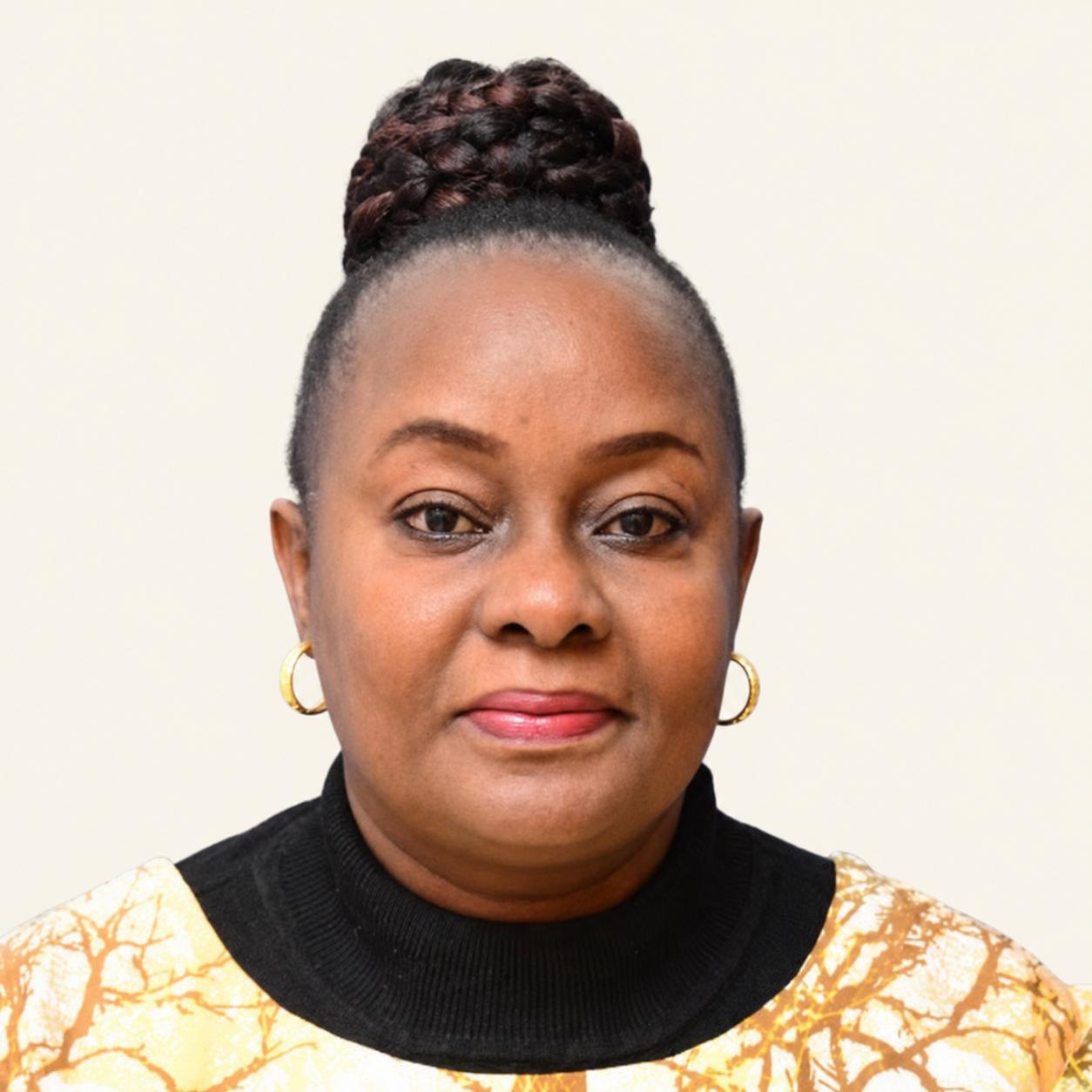
Dr. Philipina Shayo
Board Secretary
Dr. Philipina F. Shayo is a Lecturer and Head of the Department of Earth Sciences at Mbeya University of Science and Technology (MUST). She has more than 20 years of experience in teaching, research, consultancy and community outreach in forestry and environmental conservation. Before joining MUST, she worked at the Forestry Training Institute, Olmotonyi under Tanzania’s Ministry of Natural Resources and Tourism, where she taught forestry-related subjects and supervised student research projects.
Dr. Shayo has a strong background in forestry, biodiversity conservation and natural resource management. She has contributed to research and consultancy activities involving institutions such as the Tanzania Forestry Research Institute and the World-Wide Fund for Nature. Her consultancy experience includes assessing women’s participation in forest-product value chains across East African Community and Southern African Development Community countries.
She holds a Diploma in Forestry from the Forestry Training Institute, Olmotonyi, a BSc in Forestry from Sokoine University of Agriculture and an MSc in Environmental Management, specializing in Natural Resources Management, from the University of Queensland, Australia. She earned her PhD in Biodiversity and Ecosystem Management from the Nelson Mandela African Institution of Science and Technology. Her research interests include biodiversity conservation, ecosystem management, agroforestry, community forestry, climate-smart agriculture, environmental assessment, sustainable land use and climate change.
Her research focus is on conservation and sustainable use of oyster nut (Telfairia pedata), an underutilized indigenous crop with potential benefits for agrobiodiversity, nutrition, food security and rural livelihoods. Her doctoral research examined its distribution, characteristics and propagation methods in Tanzania.
Dr. Shayo has authored and co-authored more than 15 research publications and conference papers. Her work also covers Miombo woodland diversity, tree species conservation, human pressures on forest ecosystems and women’s participation in timber value chains. Through her teaching, research and community engagement, she contributes to biodiversity conservation, forestry education and the sustainable use of natural resources in Tanzania.
Dr. Shayo has a strong background in forestry, biodiversity conservation and natural resource management. She has contributed to research and consultancy activities involving institutions such as the Tanzania Forestry Research Institute and the World-Wide Fund for Nature. Her consultancy experience includes assessing women’s participation in forest-product value chains across East African Community and Southern African Development Community countries.
She holds a Diploma in Forestry from the Forestry Training Institute, Olmotonyi, a BSc in Forestry from Sokoine University of Agriculture and an MSc in Environmental Management, specializing in Natural Resources Management, from the University of Queensland, Australia. She earned her PhD in Biodiversity and Ecosystem Management from the Nelson Mandela African Institution of Science and Technology. Her research interests include biodiversity conservation, ecosystem management, agroforestry, community forestry, climate-smart agriculture, environmental assessment, sustainable land use and climate change.
Her research focus is on conservation and sustainable use of oyster nut (Telfairia pedata), an underutilized indigenous crop with potential benefits for agrobiodiversity, nutrition, food security and rural livelihoods. Her doctoral research examined its distribution, characteristics and propagation methods in Tanzania.
Dr. Shayo has authored and co-authored more than 15 research publications and conference papers. Her work also covers Miombo woodland diversity, tree species conservation, human pressures on forest ecosystems and women’s participation in timber value chains. Through her teaching, research and community engagement, she contributes to biodiversity conservation, forestry education and the sustainable use of natural resources in Tanzania.

Dr. Filemon Elisante
Board Member
Dr. Filemon Elisante is a Lecturer and Researcher in the Department of Biology at the University of Dodoma. He has more than 15 years of experience in research, teaching, consultancy and community-based biodiversity conservation. He has collaborated with organizations such as the Tanzania Natural Resource Forum, Tanzania Alliance for Biodiversity, Alliance for Food Sovereignty in Africa, Alliance of Biodiversity International and CIAT, University of Copenhagen, Charles Sturt University and the African Wildlife Foundation.
Dr. Elisante earned a BSc in Wildlife Management from Sokoine University of Agriculture in 2010, MSc in Life Sciences and Bioengineering, specializing in Biodiversity Conservation and Management, from the Nelson Mandela African Institution of Science and Technology in 2013 and a PhD in Life Sciences, specializing in Biodiversity and Ecosystems Management, from the same institution in 2020. His research interests include agroecology, pollination ecology, wildlife and forest ecology, invasive species management, restoration ecology, community-based conservation and plant–insect interactions.
His research has examined farmers’ knowledge of pollinators, the contribution of insect pollination to common bean production and the importance of botanically diverse field margins for beneficial insects on smallholder farms. His recent work has also explored land-use and land-cover changes around Mkomazi National Park and their implications for biodiversity conservation. He has published research in journals such as the Journal of Rural Studies, PeerJ, Scientific Reports and Rangeland Ecology & Management.
Since 2022, Dr. Elisante has led a series of Rufford Foundation-supported projects focused on conserving the endangered Zanzibar red colobus monkey (Piliocolobus kirkii) on Vundwe and Uzi islands. These projects have combined conservation education, habitat restoration and livelihood activities aimed at reducing pressure on natural forests. He has also trained undergraduate and postgraduate students, farmers, agricultural extension officers, wildlife and forest officers and communities living near protected areas. Through this work, he contributes to biodiversity research, environmental education and practical conservation in Tanzania.
Dr. Elisante earned a BSc in Wildlife Management from Sokoine University of Agriculture in 2010, MSc in Life Sciences and Bioengineering, specializing in Biodiversity Conservation and Management, from the Nelson Mandela African Institution of Science and Technology in 2013 and a PhD in Life Sciences, specializing in Biodiversity and Ecosystems Management, from the same institution in 2020. His research interests include agroecology, pollination ecology, wildlife and forest ecology, invasive species management, restoration ecology, community-based conservation and plant–insect interactions.
His research has examined farmers’ knowledge of pollinators, the contribution of insect pollination to common bean production and the importance of botanically diverse field margins for beneficial insects on smallholder farms. His recent work has also explored land-use and land-cover changes around Mkomazi National Park and their implications for biodiversity conservation. He has published research in journals such as the Journal of Rural Studies, PeerJ, Scientific Reports and Rangeland Ecology & Management.
Since 2022, Dr. Elisante has led a series of Rufford Foundation-supported projects focused on conserving the endangered Zanzibar red colobus monkey (Piliocolobus kirkii) on Vundwe and Uzi islands. These projects have combined conservation education, habitat restoration and livelihood activities aimed at reducing pressure on natural forests. He has also trained undergraduate and postgraduate students, farmers, agricultural extension officers, wildlife and forest officers and communities living near protected areas. Through this work, he contributes to biodiversity research, environmental education and practical conservation in Tanzania.
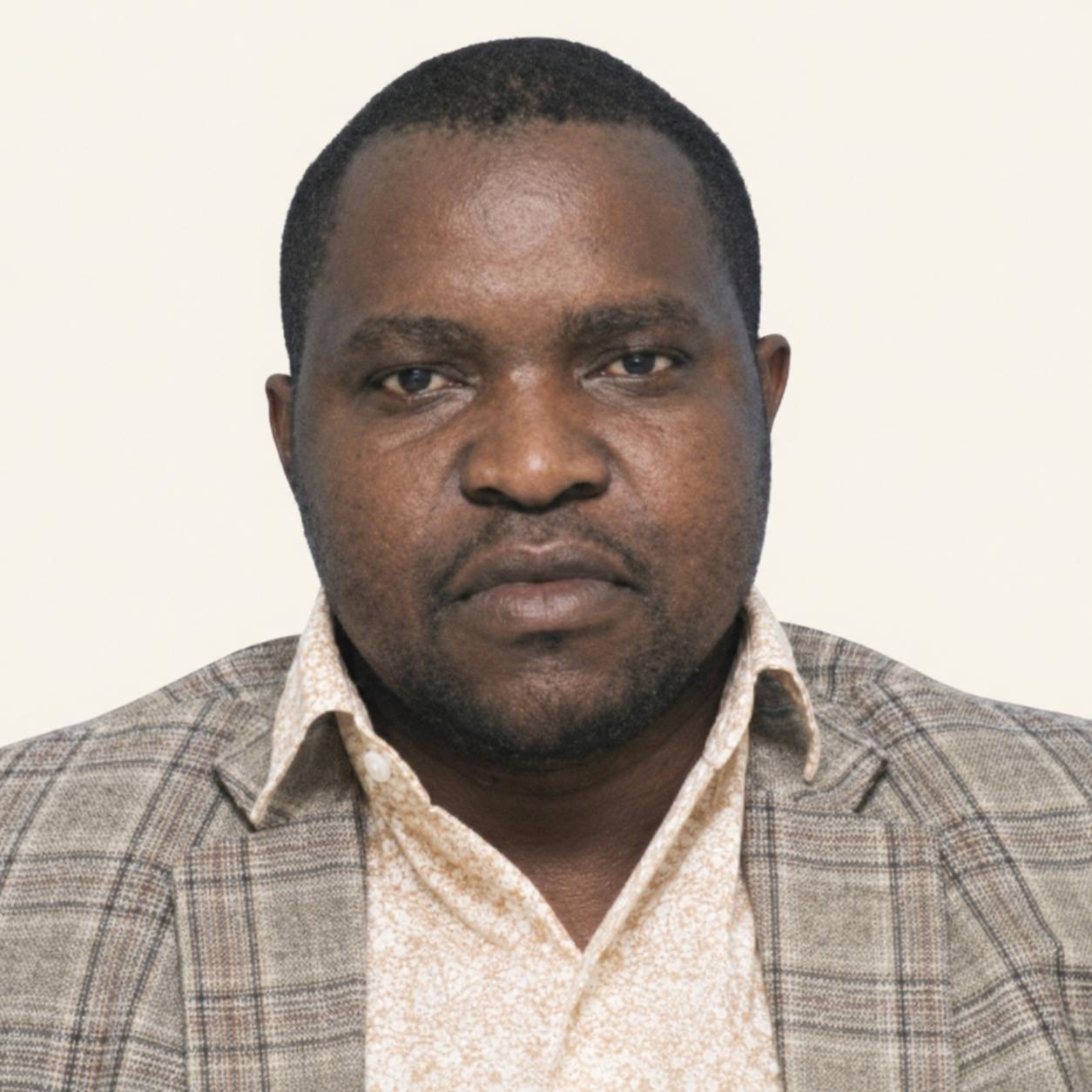
Dr. Fredrick Ojija
Board Member
Dr. Fredrick Ojija is a Senior Lecturer in Biodiversity Conservation in the Department of Earth Sciences at Mbeya University of Science and Technology (MUST). Since June 2025, he has served as the Director of Postgraduate Studies, Research, Publications and Consultancy. From 2020 to 2025, he held several leadership positions at MUST, including Head of the Department of Research and Publications and Budget Officer in the Directorate of Postgraduate Studies, Research and Publications.
Dr. Ojija has a strong background in research, teaching and academic leadership. He has coordinated university research seminars, public lectures and research capacity-building programmes while supporting research publications and consultancy activities. He also conducted research at the University of Trieste in Italy through the TWAS-SISSA-Lincei Research Cooperation Visits Programme.
He earned a BSc in Wildlife Science and Conservation from the University of Dar es Salaam in 2009, an MSc in Biology-Ecology from Vrije Universiteit Brussel in 2014 and a PhD in Biodiversity and Ecosystem Management from the Nelson Mandela African Institution of Science and Technology in 2020. His research interests include biodiversity conservation, ecosystem management, biological invasions, plant–plant interactions, insect–plant interactions, pollinator monitoring, ecological restoration, climate change adaptation and invasive species management.
Dr. Ojija has received research and conference grants from organizations such as the Rufford Foundation, British Ecological Society, Mohamed bin Zayed Species Conservation Fund, Chicago Board of Trade Endangered Species Fund, Wild Planet Trust and Idea Wild. He has published more than 70 research articles and seven book chapters and supervised over 20 master’s and bachelor’s research projects. Through his research, teaching and academic leadership, he continues to contribute to biodiversity conservation and ecological research in Tanzania.
Dr. Ojija has a strong background in research, teaching and academic leadership. He has coordinated university research seminars, public lectures and research capacity-building programmes while supporting research publications and consultancy activities. He also conducted research at the University of Trieste in Italy through the TWAS-SISSA-Lincei Research Cooperation Visits Programme.
He earned a BSc in Wildlife Science and Conservation from the University of Dar es Salaam in 2009, an MSc in Biology-Ecology from Vrije Universiteit Brussel in 2014 and a PhD in Biodiversity and Ecosystem Management from the Nelson Mandela African Institution of Science and Technology in 2020. His research interests include biodiversity conservation, ecosystem management, biological invasions, plant–plant interactions, insect–plant interactions, pollinator monitoring, ecological restoration, climate change adaptation and invasive species management.
Dr. Ojija has received research and conference grants from organizations such as the Rufford Foundation, British Ecological Society, Mohamed bin Zayed Species Conservation Fund, Chicago Board of Trade Endangered Species Fund, Wild Planet Trust and Idea Wild. He has published more than 70 research articles and seven book chapters and supervised over 20 master’s and bachelor’s research projects. Through his research, teaching and academic leadership, he continues to contribute to biodiversity conservation and ecological research in Tanzania.

Ms. Eva Ayaro
Advisor
Ms. Eva Ayaro is a conservationist specializing in threatened reptiles and amphibians. She is the co-founder and Managing Director of the Women in Conservation Organization (WICO), a registered Tanzanian NGO established in 2022 to protect biodiversity while expanding opportunities for women and young people in conservation research, leadership and community action. She also serves as a Research Intern at the Tanzania Wildlife Research Institute (TAWIRI), where she contributes to species monitoring, ecological assessments and conservation planning.
Ms. Ayaro holds a Bachelor of Science in Wildlife Sciences and Conservation from the University of Dar es Salaam. She is a Tasso Leventis African Biodiversity Fellow and has undertaken postgraduate training in International Wildlife Conservation Practice at the University of Oxford’s Wildlife Conservation Research Unit (WildCRU). She is also an EDGE Fellow with the Zoological Society of London. Earlier in her career, Ms. Ayaro worked as a Field Officer with Environmental Conservation for Wildlife and Community Enterprise (ECOWICE), leading conservation education, human-wildlife conflict mitigation and sustainable livelihood activities. In 2022, she participated in the Grumeti Fund’s Women in the Field programme, receiving practical training in ecological monitoring, research design and community engagement.
Ms. Ayaro has led several conservation projects focused on Tanzania’s endemic pygmy chameleons. Her first Rufford Foundation-supported project assessed the population, distribution, habitat requirements and threats facing the Critically Endangered Nguru Spiny Pygmy Chameleon (Rhampholeon acuminatus) in Mkingu Nature Forest Reserve. In 2025, she launched a second phase covering the “Three Sisters Pygmy Chameleons” i.e. Rhampholeon acuminatus, Rhampholeon princeeai and Rhampholeon waynelotteri across the Mkingu and Kanga Forest reserves. The project combines population surveys, habitat modelling, illegal-trade assessments, community education, habitat restoration and training for early-career Tanzanian conservationists.
Under her leadership, WICO has developed more than ten species-based conservation projects across Tanzania. Its current portfolio includes conserving the Tiny Squeaker Frog in Mkingu Nature Forest Reserve, protecting White-backed Vultures in Maswa Game Reserve, reducing human-elephant conflict in the greater Serengeti ecosystem, conserving green turtles in Mafia Island Marine Park and protecting freshwater turtles in the Rufiji River Basin. WICO also runs programmes that support women-led conservation groups, school conservation clubs, youth mentorship and sustainable livelihoods.
Ms. Ayaro received the 2025 Marsh Award for Early Career Conservation in recognition of her work protecting globally threatened pygmy chameleons. Her achievements include conducting surveys across four protected areas, providing conservation education to more than 500 students, mentoring 35 young Tanzanian conservationists and initiating habitat restoration in degraded chameleon corridors. As an Advisor of the Green Horizon Foundation, she contributes expertise in herpetology, project leadership, community conservation and the advancement of women and young people in environmental research.
Ms. Ayaro holds a Bachelor of Science in Wildlife Sciences and Conservation from the University of Dar es Salaam. She is a Tasso Leventis African Biodiversity Fellow and has undertaken postgraduate training in International Wildlife Conservation Practice at the University of Oxford’s Wildlife Conservation Research Unit (WildCRU). She is also an EDGE Fellow with the Zoological Society of London. Earlier in her career, Ms. Ayaro worked as a Field Officer with Environmental Conservation for Wildlife and Community Enterprise (ECOWICE), leading conservation education, human-wildlife conflict mitigation and sustainable livelihood activities. In 2022, she participated in the Grumeti Fund’s Women in the Field programme, receiving practical training in ecological monitoring, research design and community engagement.
Ms. Ayaro has led several conservation projects focused on Tanzania’s endemic pygmy chameleons. Her first Rufford Foundation-supported project assessed the population, distribution, habitat requirements and threats facing the Critically Endangered Nguru Spiny Pygmy Chameleon (Rhampholeon acuminatus) in Mkingu Nature Forest Reserve. In 2025, she launched a second phase covering the “Three Sisters Pygmy Chameleons” i.e. Rhampholeon acuminatus, Rhampholeon princeeai and Rhampholeon waynelotteri across the Mkingu and Kanga Forest reserves. The project combines population surveys, habitat modelling, illegal-trade assessments, community education, habitat restoration and training for early-career Tanzanian conservationists.
Under her leadership, WICO has developed more than ten species-based conservation projects across Tanzania. Its current portfolio includes conserving the Tiny Squeaker Frog in Mkingu Nature Forest Reserve, protecting White-backed Vultures in Maswa Game Reserve, reducing human-elephant conflict in the greater Serengeti ecosystem, conserving green turtles in Mafia Island Marine Park and protecting freshwater turtles in the Rufiji River Basin. WICO also runs programmes that support women-led conservation groups, school conservation clubs, youth mentorship and sustainable livelihoods.
Ms. Ayaro received the 2025 Marsh Award for Early Career Conservation in recognition of her work protecting globally threatened pygmy chameleons. Her achievements include conducting surveys across four protected areas, providing conservation education to more than 500 students, mentoring 35 young Tanzanian conservationists and initiating habitat restoration in degraded chameleon corridors. As an Advisor of the Green Horizon Foundation, she contributes expertise in herpetology, project leadership, community conservation and the advancement of women and young people in environmental research.
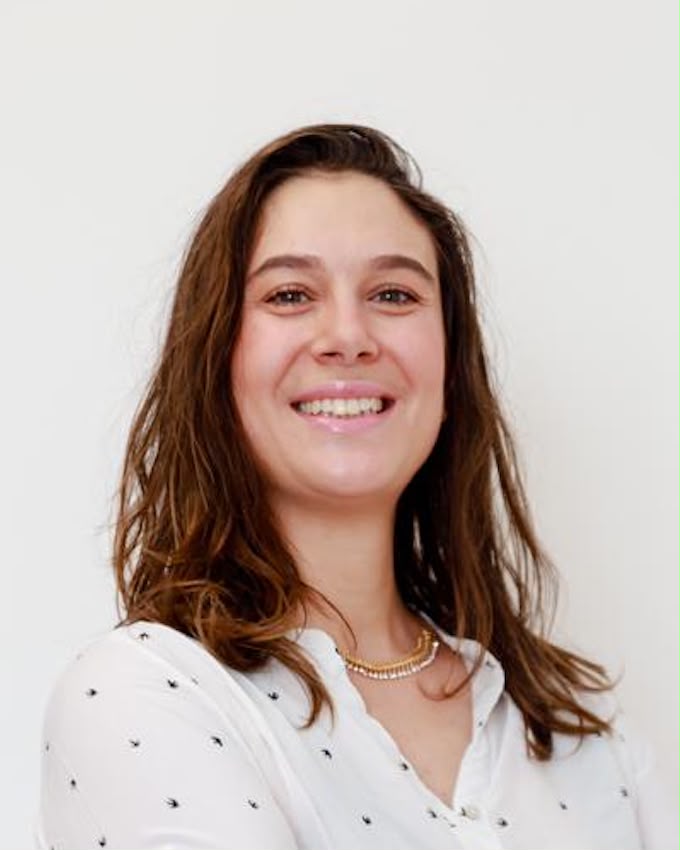
Dr. Chiara Caterina Razzano
Advisor
Dr. Chiara Caterina Razzano is an environmental sociologist and political ecology scholar with research interests in land rights, sustainable food systems, rural development, local governance and community-based natural resource management. Her work focuses on how local communities can secure their rights to land and natural resources while contributing to more sustainable and socially just food, tourism and development systems. She holds a PhD in Environmental Sociology and Urban Studies from the University of Milano-Bicocca, Italy. Her research has examined smallholder farming, sustainability transitions, agroecology, land governance and rural development in East Africa. She has extensive field research experience in Tanzania, particularly with pastoral and farming communities, where she has explored the social, environmental and institutional challenges affecting livelihoods and access to natural resources.
Dr. Razzano has worked extensively on issues related to small-scale agriculture and sustainable food systems in Tanzania and Kenya. Her research has examined the opportunities and constraints faced by small farmers, their integration into markets and the role of local knowledge and place-based farming systems in supporting food security and sustainability. She has also studied pastoralism, land rights, land-use change and the social dimensions of conservation and development. She has previously conducted research at the Nelson Mandela African Institution of Science and Technology in Arusha, Tanzania, where she was hosted as an Erasmus+ PhD researcher. Her work in Tanzania has included research in Arumeru and with pastoral communities, giving her extensive experience in understanding the relationships between land, livelihoods, conservation and local institutions.
Her publications address topics including pastoralism, smallholder agriculture, sustainable food-system transitions, land rights, community development and sustainability. She is particularly interested in strengthening the rights of local communities to land and resources and in supporting development approaches that recognise local knowledge, social justice and community participation. At the Green Horizon Foundation, Dr. Razzano contributes expertise in environmental sociology, political ecology, land governance, sustainable food systems and community rights. Her experience strengthens the organisation’s work on community-based conservation, sustainable natural-resource management and the social dimensions of biodiversity conservation.
Dr. Razzano has worked extensively on issues related to small-scale agriculture and sustainable food systems in Tanzania and Kenya. Her research has examined the opportunities and constraints faced by small farmers, their integration into markets and the role of local knowledge and place-based farming systems in supporting food security and sustainability. She has also studied pastoralism, land rights, land-use change and the social dimensions of conservation and development. She has previously conducted research at the Nelson Mandela African Institution of Science and Technology in Arusha, Tanzania, where she was hosted as an Erasmus+ PhD researcher. Her work in Tanzania has included research in Arumeru and with pastoral communities, giving her extensive experience in understanding the relationships between land, livelihoods, conservation and local institutions.
Her publications address topics including pastoralism, smallholder agriculture, sustainable food-system transitions, land rights, community development and sustainability. She is particularly interested in strengthening the rights of local communities to land and resources and in supporting development approaches that recognise local knowledge, social justice and community participation. At the Green Horizon Foundation, Dr. Razzano contributes expertise in environmental sociology, political ecology, land governance, sustainable food systems and community rights. Her experience strengthens the organisation’s work on community-based conservation, sustainable natural-resource management and the social dimensions of biodiversity conservation.

Mr. Enoka Munduka
Founder
Mr. Enoka Munduka is an ecologist, biodiversity conservation specialist and founder of the Green Horizon Foundation. Established in 2020 and formally registered in 2024, the organization addresses the unsustainable use of natural resources through research, education and community-based action. Mr. Munduka holds BSc in Education (Biology) and MSc in Biodiversity Conservation from Mbeya University of Science and Technology (MUST). Alongside his conservation work, he teaches Biology at Mtopwa Secondary School, where he helps students develop practical knowledge through classroom instruction, laboratory experiments and science activities.
Mr. Munduka has experience in ecological surveys, participatory rural assessments, conservation education, project coordination and the assessment of threats to species and habitats. His professional experience includes leading field activities in the Nguru Mountains and supporting research with the African Wildlife Foundation. He has also contributed to pollinator conservation in the Mbeya Range Forest Reserve, assisting with ecological data collection and environmental education involving surrounding communities.
From 2024 to 2025, Mr. Munduka led a Rufford Foundation-supported project focused on the conservation of the Critically Endangered Kanga Warty Frog (Callulina kanga), a species restricted to Kanga Forest Reserve. The project assessed the frog’s population, distribution and habitat, examined community knowledge and attitudes and brought together Tanzania Forest Services, local leaders, researchers and community members to develop a Species Action Plan. His work combines scientific evidence with practical conservation measures and locally led environmental action.
Mr. Munduka is also a co-author of a 2024 peer-reviewed study examining community knowledge and perceptions concerning the conservation of the Nguru Spiny Pygmy Chameleon (Rhampholeon acuminatus) in the Nguru Mountains. His research interests include threatened-species conservation, amphibian and reptile ecology, forest biodiversity, environmental education and community participation in natural-resource management. Through his combined roles as a researcher, conservation leader and teacher, Mr. Munduka works to translate scientific knowledge into action that benefits species, habitats and communities in Tanzania.
Mr. Munduka has experience in ecological surveys, participatory rural assessments, conservation education, project coordination and the assessment of threats to species and habitats. His professional experience includes leading field activities in the Nguru Mountains and supporting research with the African Wildlife Foundation. He has also contributed to pollinator conservation in the Mbeya Range Forest Reserve, assisting with ecological data collection and environmental education involving surrounding communities.
From 2024 to 2025, Mr. Munduka led a Rufford Foundation-supported project focused on the conservation of the Critically Endangered Kanga Warty Frog (Callulina kanga), a species restricted to Kanga Forest Reserve. The project assessed the frog’s population, distribution and habitat, examined community knowledge and attitudes and brought together Tanzania Forest Services, local leaders, researchers and community members to develop a Species Action Plan. His work combines scientific evidence with practical conservation measures and locally led environmental action.
Mr. Munduka is also a co-author of a 2024 peer-reviewed study examining community knowledge and perceptions concerning the conservation of the Nguru Spiny Pygmy Chameleon (Rhampholeon acuminatus) in the Nguru Mountains. His research interests include threatened-species conservation, amphibian and reptile ecology, forest biodiversity, environmental education and community participation in natural-resource management. Through his combined roles as a researcher, conservation leader and teacher, Mr. Munduka works to translate scientific knowledge into action that benefits species, habitats and communities in Tanzania.
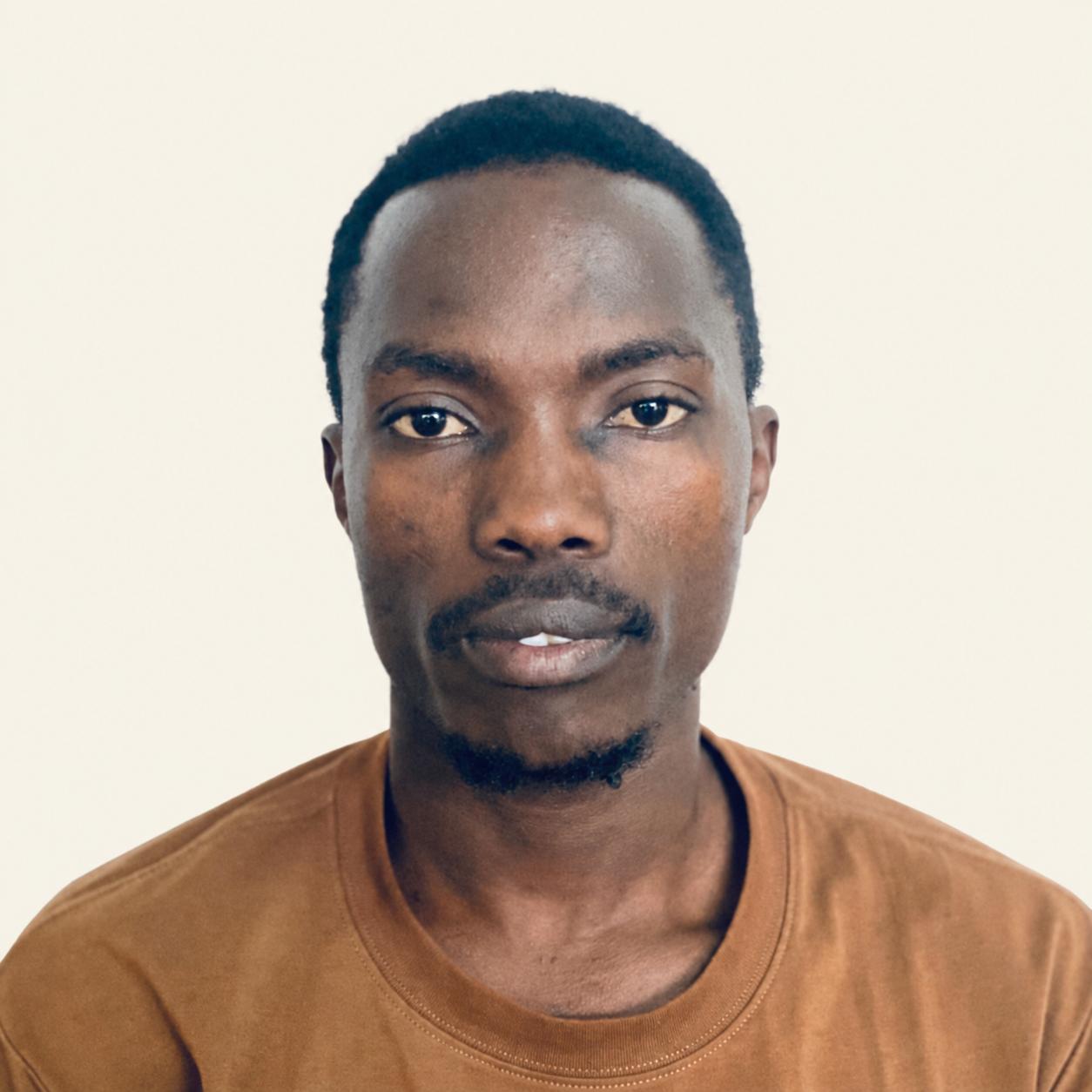
Mr. Geofrey Mugini
Co-founder
Mr. Geofrey Mugini is a conservationist, researcher and co-founder of the Green Horizon Foundation. He is a Tutorial Assistant in Natural Resources Management at the Mwalimu Nyerere University of Agriculture and Technology (MNUAT), where he contributes to teaching, practical training and research in natural resource conservation. Before joining MNUAT, he supervised the Botanical Garden at Mbeya University of Science and Technology (MUST), gaining valuable experience in plant conservation, environmental education and the management of living plant collections.
Mr. Mugini holds a Bachelor of Science in Natural Resources Conservation from MUST and is currently pursuing an MSc in Biodiversity Conservation at the same institution. His undergraduate research examined community perceptions of ecosystem services and the conservation of the Mbeya Range Forest Reserve. The study explored how local knowledge, reliance on forest resources and community attitudes influences the management and protection of forest ecosystems.
Mr. Mugini leads two internationally supported species conservation projects. Through funding from the Rufford Foundation, he is leading an initiative to promote the conservation of the Critically Endangered Lapham’s Warty Frog (Callulina laphami) in the Kindoroko and Minja Forest Reserves of north Pare Mountains. The project assesses the species’ population, distribution and habitat conditions, identifies major threats and works with local communities to improve awareness and support practical conservation measures.
He also leads a project supported by the Chicago Board of Trade Endangered Species Fund (CBOT ESF) that uses community engagement to mitigate conflict between people and African wild dogs in Tanzania. The initiative combines research, conservation education and community participation to improve understanding of wild dogs, reduce negative interactions and promote coexistence between the species and people living near its habitat.
As a co-founder of the Green Horizon Foundation, Mr. Mugini contributes to the development and implementation of projects involving threatened-species conservation, habitat restoration, environmental education and sustainable natural resource management. His research interests include amphibian and carnivore conservation, forest ecology, ecosystem services, biodiversity monitoring, restoration ecology and community participation in conservation.
Mr. Mugini holds a Bachelor of Science in Natural Resources Conservation from MUST and is currently pursuing an MSc in Biodiversity Conservation at the same institution. His undergraduate research examined community perceptions of ecosystem services and the conservation of the Mbeya Range Forest Reserve. The study explored how local knowledge, reliance on forest resources and community attitudes influences the management and protection of forest ecosystems.
Mr. Mugini leads two internationally supported species conservation projects. Through funding from the Rufford Foundation, he is leading an initiative to promote the conservation of the Critically Endangered Lapham’s Warty Frog (Callulina laphami) in the Kindoroko and Minja Forest Reserves of north Pare Mountains. The project assesses the species’ population, distribution and habitat conditions, identifies major threats and works with local communities to improve awareness and support practical conservation measures.
He also leads a project supported by the Chicago Board of Trade Endangered Species Fund (CBOT ESF) that uses community engagement to mitigate conflict between people and African wild dogs in Tanzania. The initiative combines research, conservation education and community participation to improve understanding of wild dogs, reduce negative interactions and promote coexistence between the species and people living near its habitat.
As a co-founder of the Green Horizon Foundation, Mr. Mugini contributes to the development and implementation of projects involving threatened-species conservation, habitat restoration, environmental education and sustainable natural resource management. His research interests include amphibian and carnivore conservation, forest ecology, ecosystem services, biodiversity monitoring, restoration ecology and community participation in conservation.

Ms. Merikai Wavii
Office Administrator
Ms. Merikai Wavii is the Office Administrator at the Green Horizon Foundation, where she supports daily administrative operations, office communication, finance, record management, scheduling, meetings and logistical coordination. She brings a strong background in communication, organization and team support, helping ensure that office activities are implemented efficiently and professionally. Her professional strengths include office administration, budgeting, event planning, digital communication, public speaking, time management and teamwork. At the Green Horizon Foundation, she provides administrative support to conservation, environmental education, digital platforms and community programmes while helping maintain an organized, accountable and welcoming working environment.

Mr. David Mwita
Data Science Engineer
Mr. David Mwita is a Data Science Engineer with a Bachelor of Engineering in Data Science, with a focus on data analysis, artificial intelligence, machine learning and data-driven solutions. His work involves applying data and emerging technologies to solve practical problems, generate insights and support informed decision-making.
At the Green Horizon Foundation, he contributes to data and digital technology initiatives while also serving as a System Administrator, supporting the organization’s digital systems, website, online platforms and information management. His interests include the application of data science and AI to research, innovation and real-world challenges.
At the Green Horizon Foundation, he contributes to data and digital technology initiatives while also serving as a System Administrator, supporting the organization’s digital systems, website, online platforms and information management. His interests include the application of data science and AI to research, innovation and real-world challenges.