Integrated Pest Management (IPM)
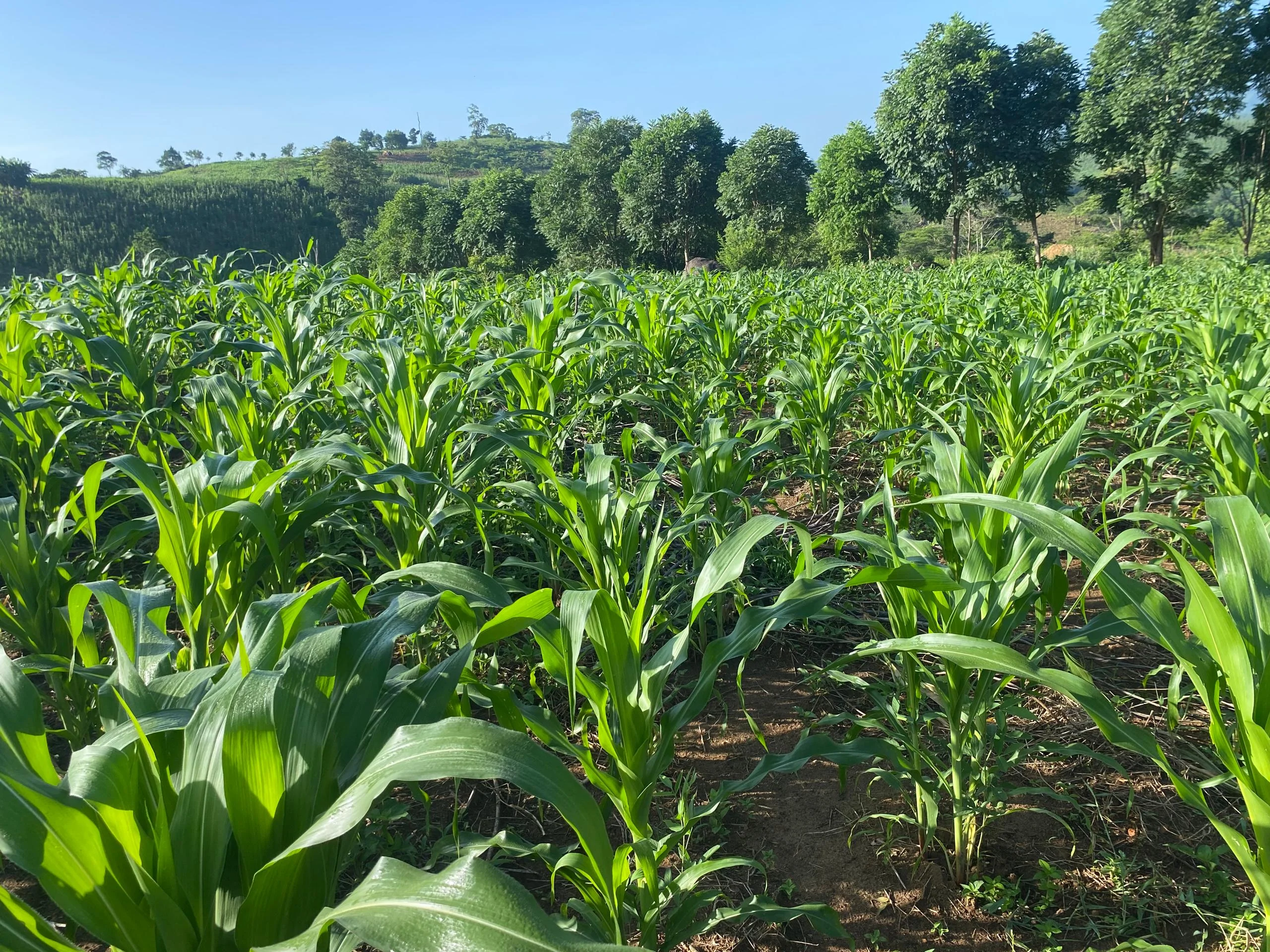
At GHF we encourage IPM approach among farmers to address pests and diseases while
cutting dependence on synthetic pesticides that can contaminate water and harm beneficial
insects including pollinators and natural enemies. This approach combines regular field
scouting and early diagnosis, the use of resistant varieties, crop rotation and intercropping,
good field sanitation and habitat management that encourages natural enemies of pests. When
chemical control is needed, it is used selectively and safely, choosing less hazardous products
and applying them at the right time and dose. Over time we expect this practice will lower
production costs, improve farmer safety and protect ecosystem health while maintaining
reliable yields.
cutting dependence on synthetic pesticides that can contaminate water and harm beneficial
insects including pollinators and natural enemies. This approach combines regular field
scouting and early diagnosis, the use of resistant varieties, crop rotation and intercropping,
good field sanitation and habitat management that encourages natural enemies of pests. When
chemical control is needed, it is used selectively and safely, choosing less hazardous products
and applying them at the right time and dose. Over time we expect this practice will lower
production costs, improve farmer safety and protect ecosystem health while maintaining
reliable yields.